


My fourth-grade teacher ran a contingency management program that rewarded desired behavior with “bonus coupons” – play money you could collect and turn in for prizes.
The prizes were tiered. For one coupon, you could get a Warhead. The task, then, was to eat the Warhead without letting your face admit it was sour. It was a whole thing everyone in my class attempted, and, something not many managed.
I can’t remember everything on the prize hierarchy. I went to a Catholic school with uniforms, so I do remember that twenty or so bought a day of “free dress.”
What I also remember is that if you saved up one hundred coupons, you got to teach a class of your choosing. How many people were motivated by that in my class? Only my very nerdy self. Even at nine, I wanted to teach.
So I saved my coupons, declined the temptation to spend them on Warheads and free dress, and cashed in all hundred to teach a class. And, I willingly taught my fourth-grade peers a math lesson. For fun (judge me all you want, it’s warranted)
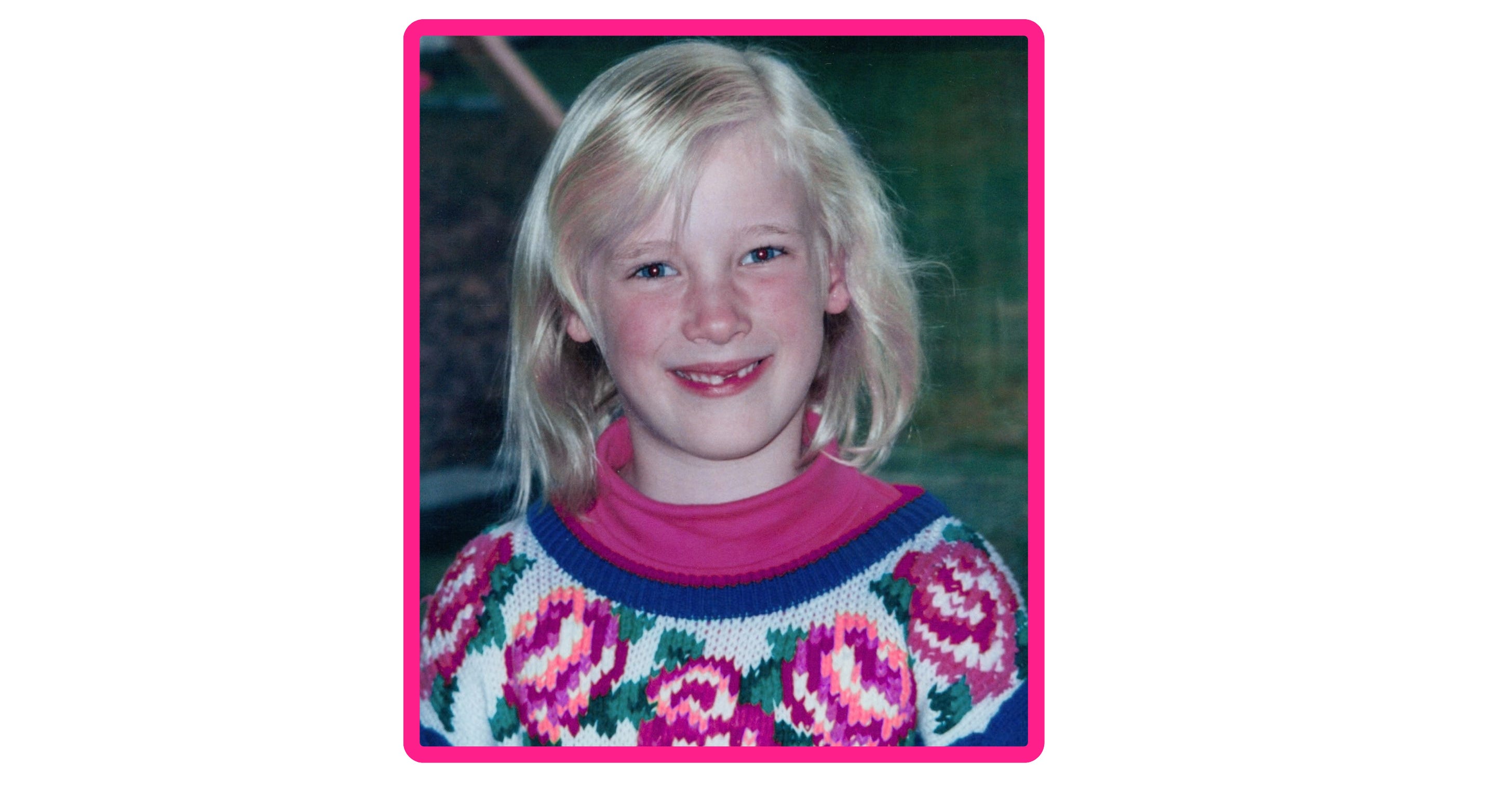
Growing up, I vacillated on what I wanted to do with my life. I put the most energy toward being some form of a helper or educator, whether in classrooms, summer camps, or hospitals. So it makes sense that I ended up getting a doctoral degree in psychology, teaching undergraduate courses, and mentoring and supervising others.
I’ve spent a lot of time over the past year reflecting on what brings me joy, what I find meaningful, and what I want to do moving forward. The throughline is obvious – what I value most is teaching.
Specifically, teaching behavioral science to help people live their lives authentically, and in line with their values.
If it’s not already apparent, I’m wildly passionate about DBT skills. And looking back on my career, it’s clear that what I’ve enjoyed the most is teaching those skills to others. I feel the most energized, connected, and impactful when I’m leading DBT groups or teaching the skills to families.
I genuinely find teaching DBT skills upregulating – it lifts my energy instead of spending it (I have, on more than one occasion, taught my partner and friends DBT skills for fun).
I’m sure most people can relate to being at work, not wanting to do the next thing, and just wanting to go home. I feel that all the time. And, when I feel that way and have a DBT session coming up next, I know I’ll feel differently the moment it begins.
On my predoctoral internship, I taught the afternoon DBT skills group a few times a week. The lead-up to the late Thursday group was the most painful. It was almost the weekend, and I often ran through the ways I could get out of it. Which is, of course, the exact thing I teach people not to do.
And. Whenever I went to the group and started engaging with the material, my mood changed fast. That’s how opposite action works – you do the thing you don’t feel like doing, and the improved feeling follows. The energy I had after the group was telling.
In Marsha Linehan’s memoir, she mentions that other psychologists called her a teacher. The insinuation was that it was an insult. And, she said she appreciated it. It was true to what she felt she was doing – teaching people skills to build a life in line with their values.
I felt validated rereading this recently. It resonates with how I feel about, and see, my career. Yes, I work with individuals with mental disorders, and, I see my work as so much more than that.
I see what I do as teaching people how to do better at being human.
I view people as trying to find their place in the world, figure out how to get their needs met, and do the things that meet those needs. And typically, what they land on works. In the moment, at least, until it doesn’t. It’s a pattern that makes us human.
What I do, then, is help them see how what worked before is no longer consistent with their values. How the strategy that got their needs met is no longer working for them. How they can learn new skills to build a life closer to the one they want.
Most of what I teach has an impact outside the therapy room. The skills work on an ordinary Wednesday, for people who never sit across from a clinician – which is why I write this Substack.
This doesn’t replace a skills group. I just don’t know how else to get the skills out of the therapy room. I’ve tried to do videos on Instagram, and, I feel too academic and awkward and perfectionistic (*noticing my judgments*). I swear I’m better in person (or at least I like to think so). Writing is what I think I can do somewhat okay.
And, the teaching works best when paired with validation. Skills are more likely to hold when a person feels understood. I’m stubborn, so I know this well – I only take suggestions if I’m convinced the other person understands my perspective. That’s where the synthesis between therapist and teacher lives.
Formally, I’m a therapist. Informally, I’m a teacher. And, both are necessary for lasting change with the people I’m grateful to sit beside.